
Supply chain
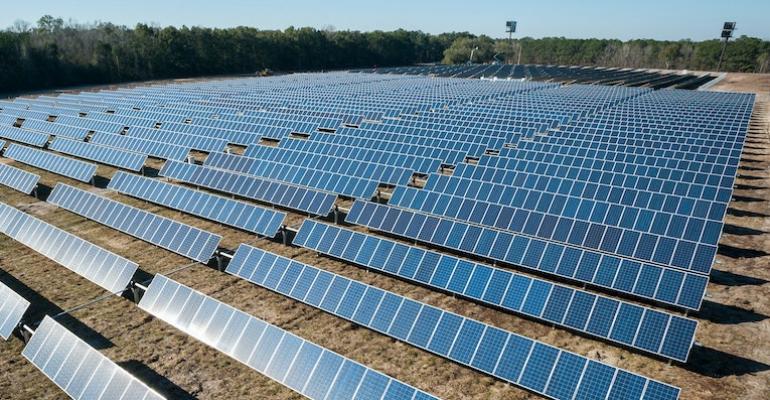
H2Sines.Rdam will use renewable energy from solar farms in Sines, Portugal to produce green hydrogen via electrolysis. This process uses electricity and water produce hydrogen without any carbon emissions.
Electrolysis produces gaseous hydrogen (GH2) at low pressures unsuitable for storing the large quantities of hydrogen required for this project. For intermediate storage, the hydrogen is compressed to higher pressures prior to liquefaction.
By using renewable energy to power the electrolysers for H2Sines.Rdam, RED II compliant hydrogen will be produced. The low carbon liquid hydrogen imported to Rotterdam will be distributed to end users, replacing fossil fuels and avoiding carbon emissions.
To further reduce the volume needed to store hydrogen and increase its energy density, liquefaction is performed. This allows large quantities of energy to be transported via ship in the form of liquid hydrogen (LH2).
LH2 also has many similarities to liquefied natural gas (LNG) which is already in wide use in shipping today. Many learnings and technologies from LNG can be applied to LH2, including adaptation of onboard storage techniques, and bunkering of fuel.
For liquefaction, hydrogen must be cooled to -253oC. This has the added benefit of increasing its purity to 99.9999%, in excess of the 99.999% purity required for fuel cell use. Therefore, liquid hydrogen imported through H2Sines.Rdam could be directly used in fuel cells by end users without need for additional purification. The target liquefaction capacity is 100 tonnes/day. This project is the
Export terminal, Sines (PT) largest of its kind and will propel development in the scale and efficiency of liquefaction technology.
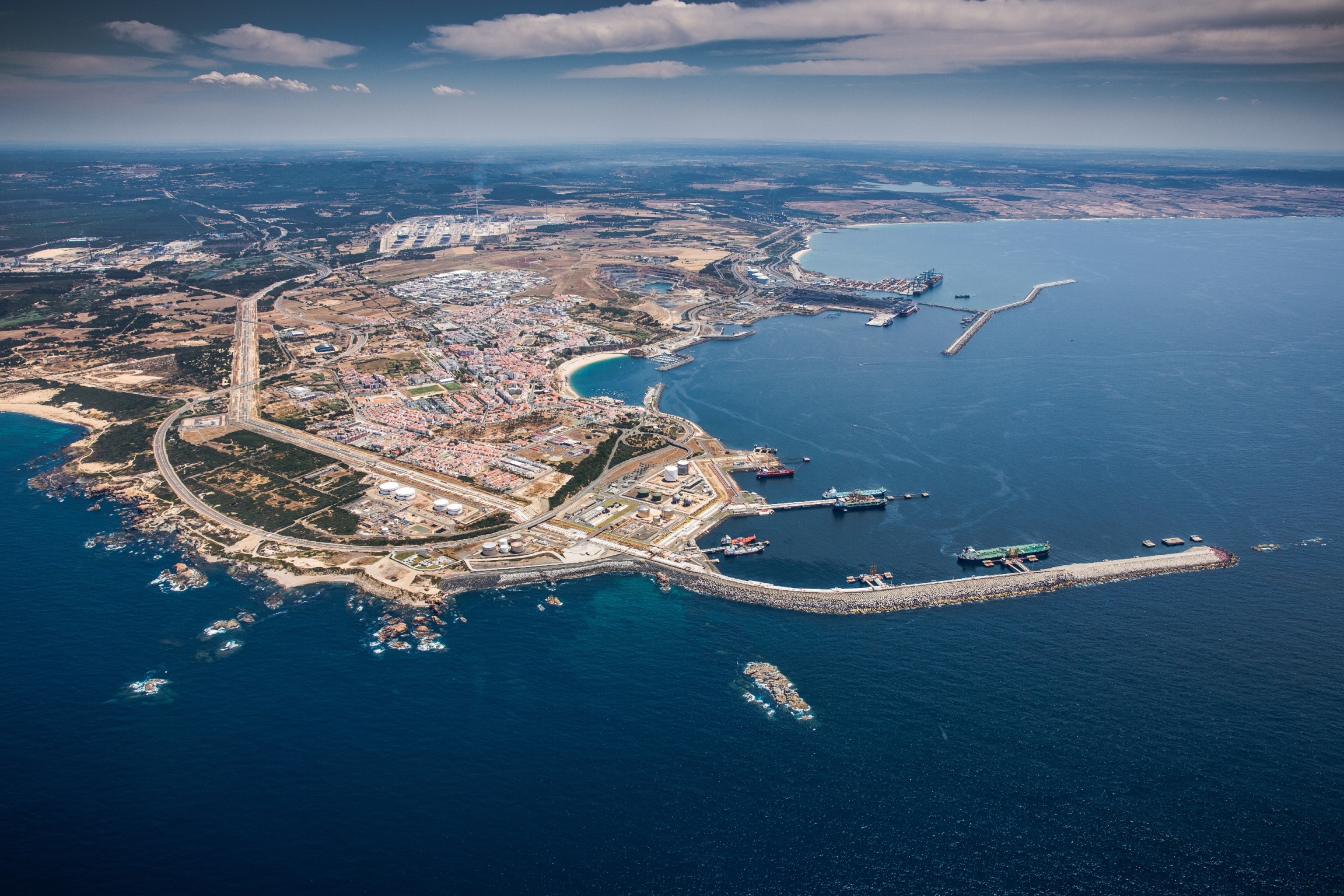
Importing hydrogen enables the transport of energy from regions with abundant low-cost renewables to places with less renewables and high energy demand.
At the export terminal, LH2 will kept in storage before it is loaded onto the LH2 vessel. LH2 has high rates of boil off, which can result in supply chain energy losses. To mitigate this, a boil off gas (BOG) system will collect evaporated hydrogen and return it to the liquefaction plant.
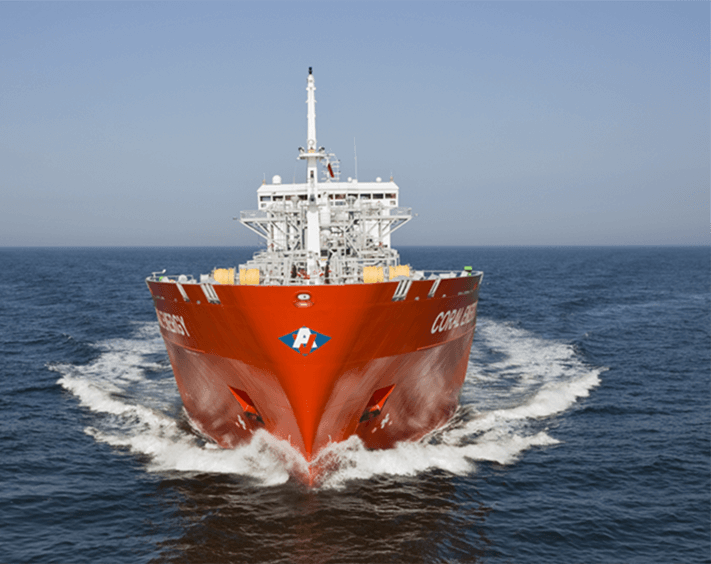
Maritime transport is flexible and large scale, allowing the import of larger quantities of hydrogen, over longer distances, than feasible via hydrogen trailers. It shortens the value chain, bypassing the need for purification at end use due to the high purity of liquid hydrogen. By contrast, pipeline transport of hydrogen can introduce further impurities, necessitating further purification for fuel cell end use.
The vessel is currently planned to be fuelled by liquid hydrogen. It will have a capacity of more than 13,000m3 and will take only 8.5 days to travel from Sines to Rotterdam.
This project will enable significant learnings regarding the opportunities and challenges of importing LH2. Understanding these will be crucial in order to meet REPowerEU targets for hydrogen imports emissions reductions.

The LH2 will be delivered to Rotterdam in the Netherlands, supplying renewable energy to a range of hard-to-abate sectors.
Once in Rotterdam, the LH2 will be unloaded and moved to storage in Rotterdam (NL) preparation for offtake and distribution by end users. Cryogenic storage at -253oC will keep the hydrogen in liquid form and boil off gas will becollected to reduce hydrogen losses.
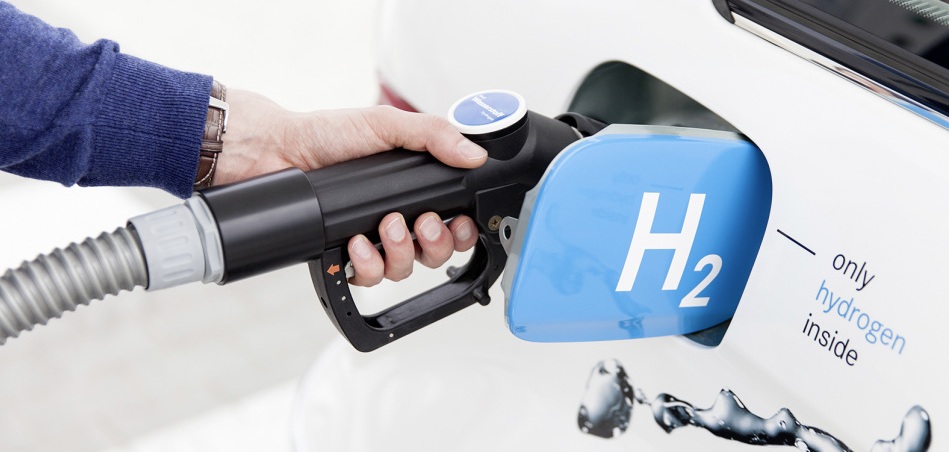
The demand for liquid hydrogen in 2030 is projected to reach 400 tonnes/day, far surpassing what will be provided through H2Sines.Rdam.
End use offtakers are expected from transport, specifically from hydrogen refuelling stations (HRS) for the heavy-duty trucking sector, maritime and aviation. This expected demand is supported by end- customers who have signed letters of support for the H2Sines.Rdam project.